News
Student-led Wellbeing Walks on our Rail Trails linking Rail, Nature and Mental Health
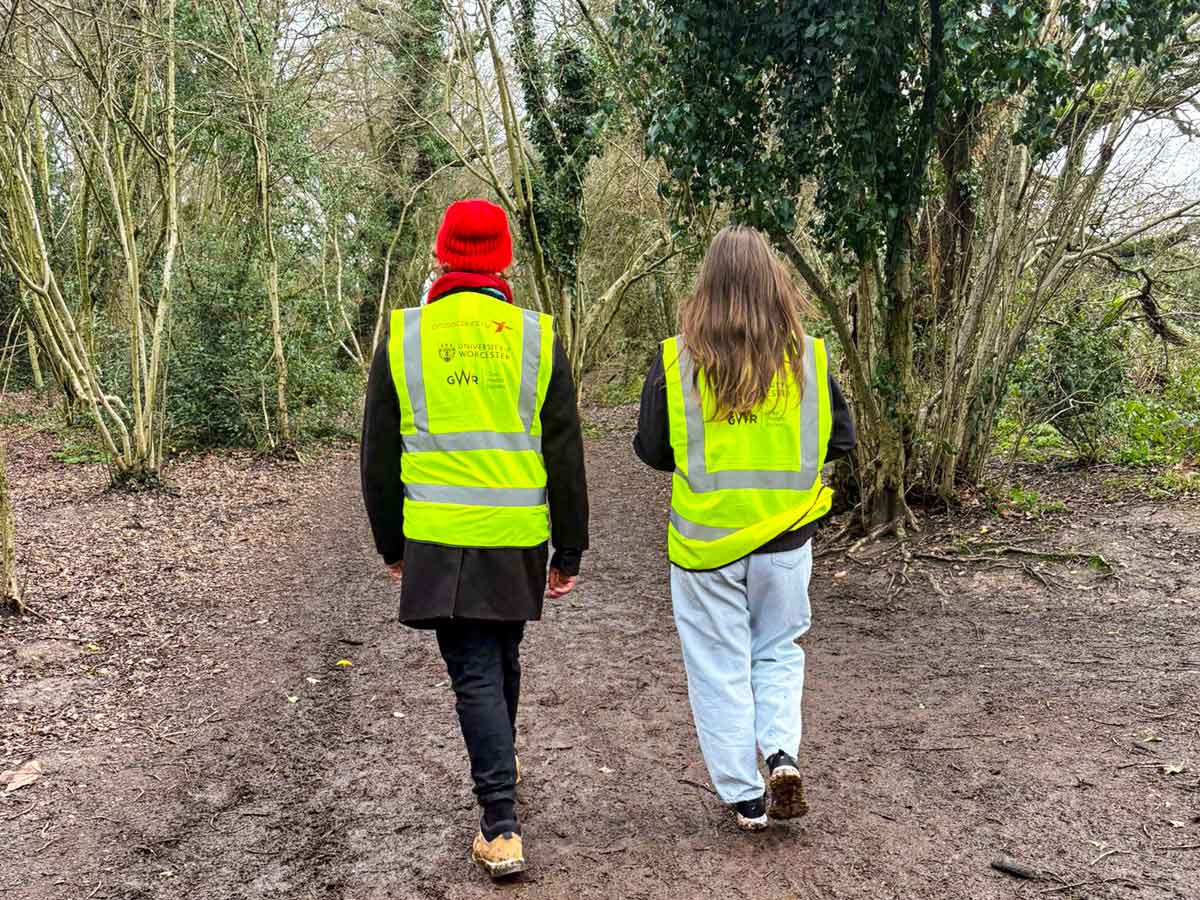
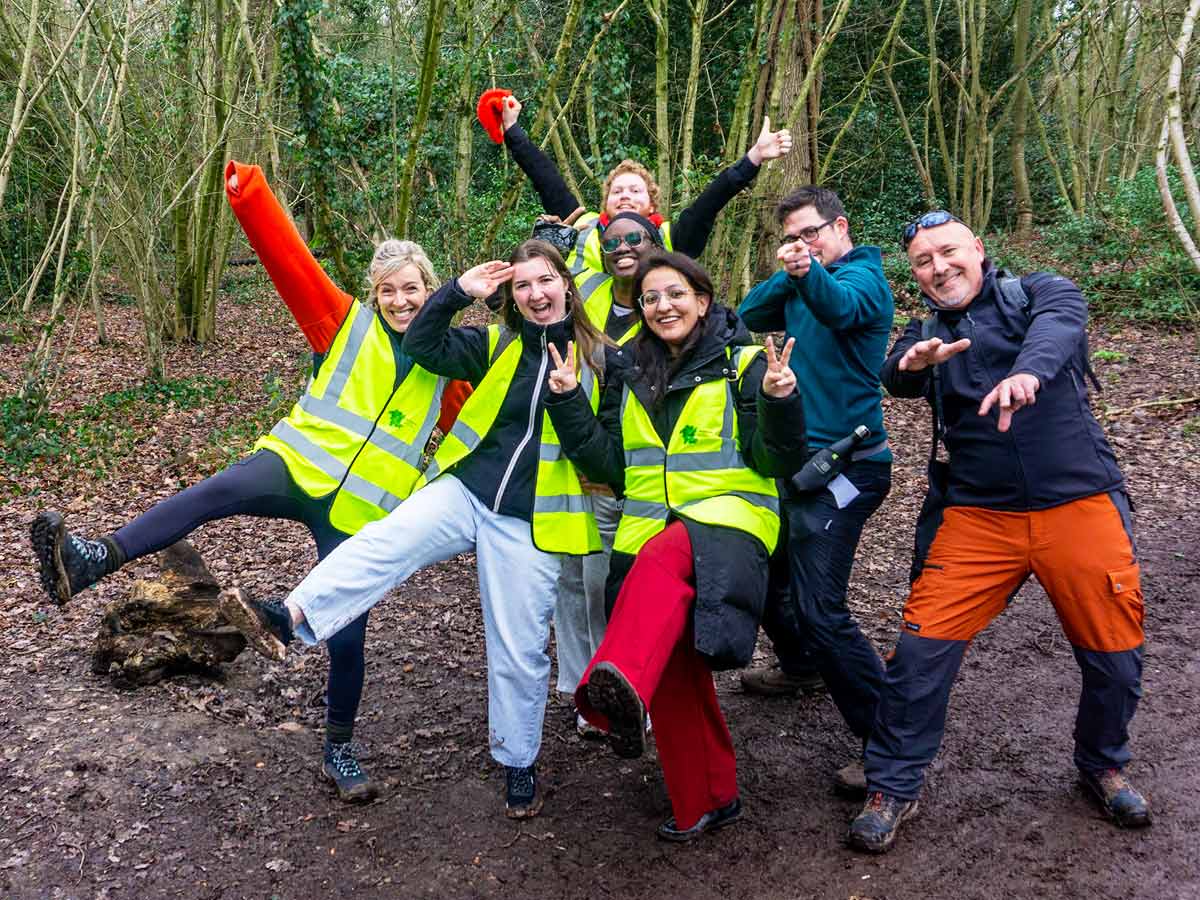
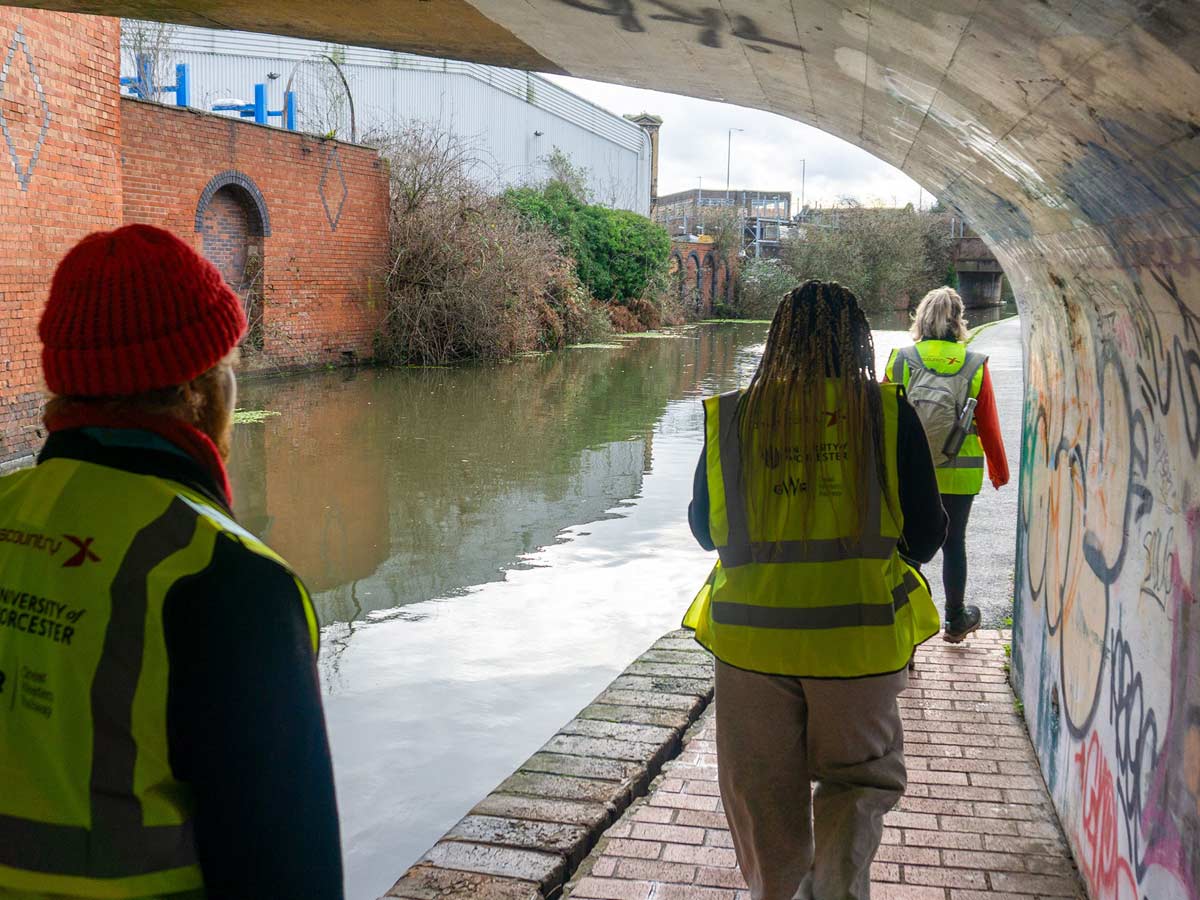
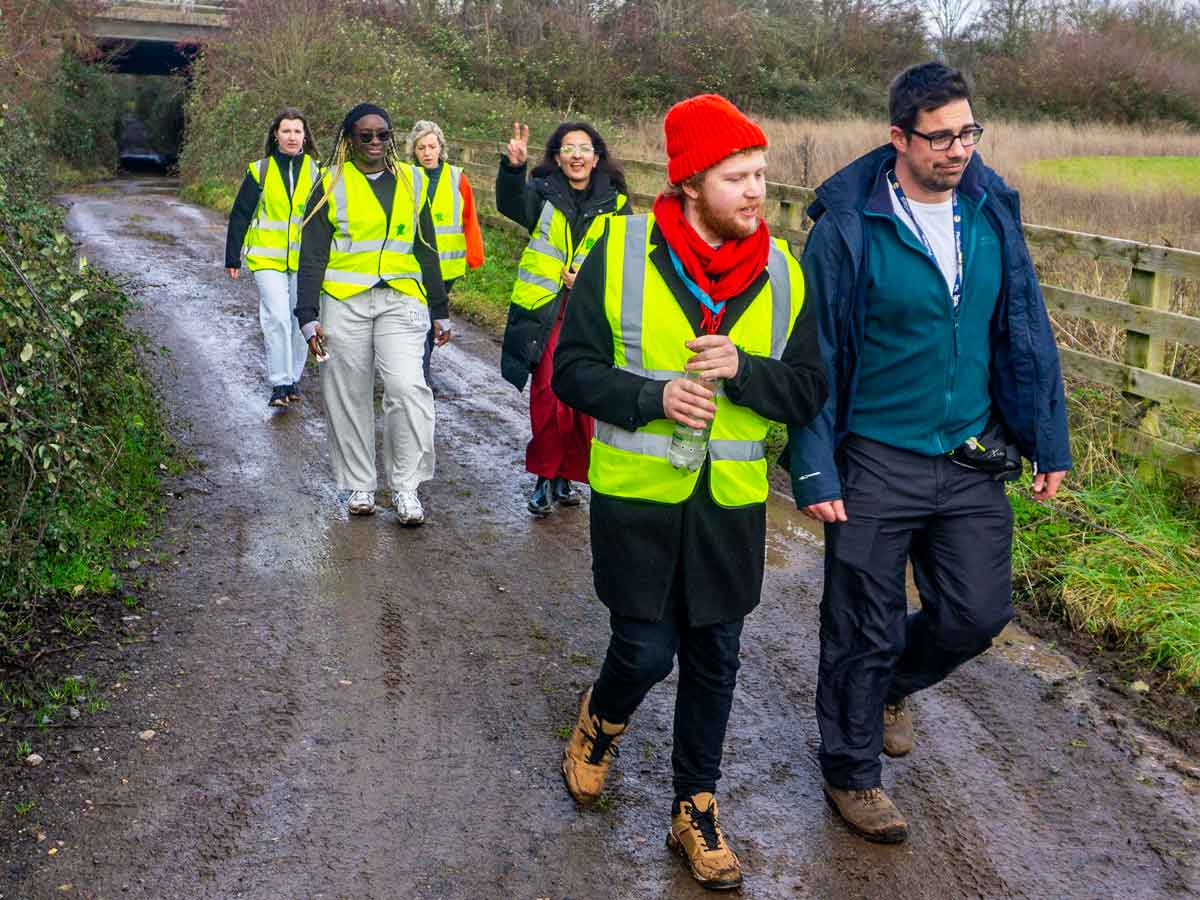
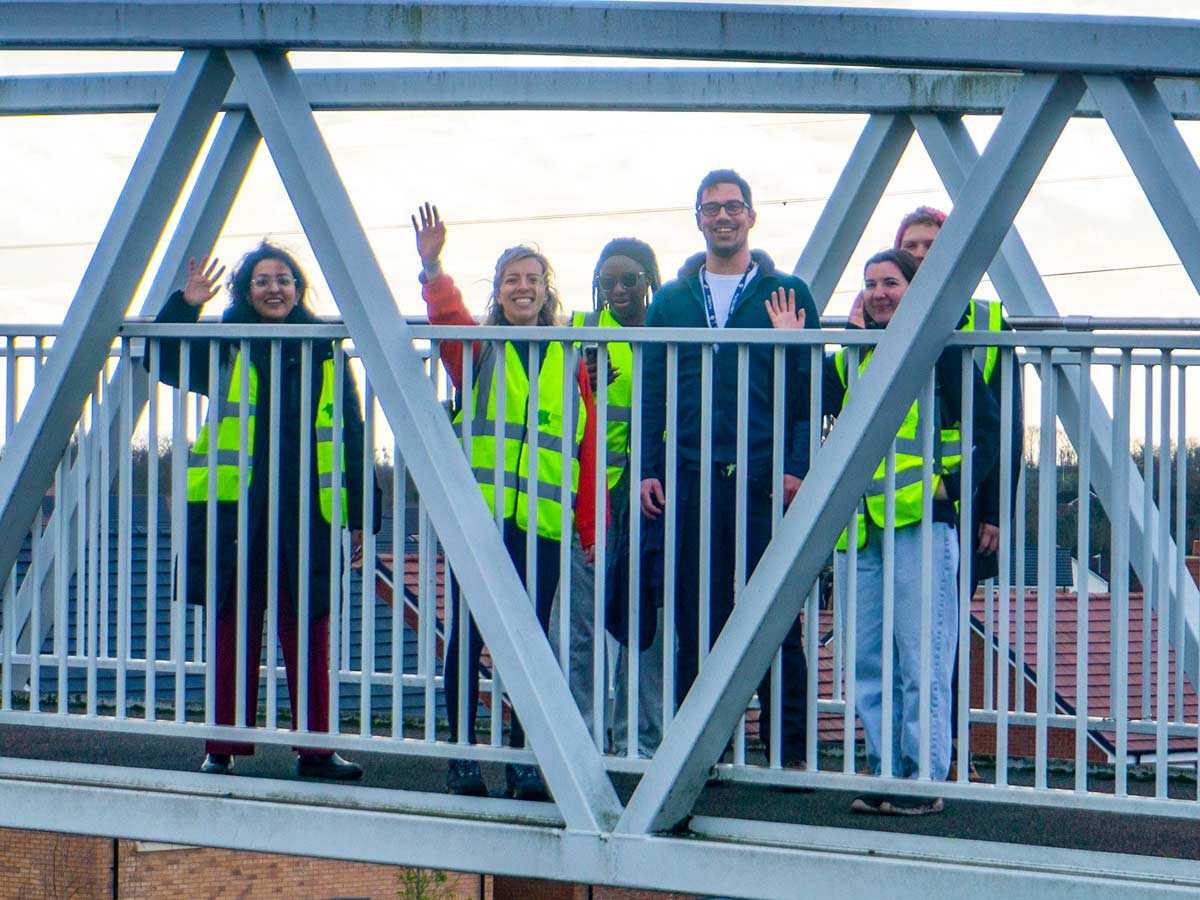
A new wellbeing initiative will see University of Worcester students leading guided walks designed to improve mental wellbeing, reduce loneliness, and encourage sustainable travel.
The Wellbeing Rail Trail Walks project is being delivered by the Worcester Community Rail Partnership (WCRP) in partnership with the University and funded by train operators Great Western Railway (GWR) and CrossCountry (XC). As part of the project, students are trained as Wellbeing Walk Leaders, providing them with paid, real-world experience while supporting fellow students and members of the broader community.
The guided walks use WCRP’s Rail Trails – walking routes developed by Lyndon Bracewell (Worcester Ramblers) and Andy Stevenson (University of Worcester Lecturer) that start and finish at local railway stations – demonstrating how rail travel can act as a gateway to green spaces, physical activity, and improved wellbeing.
The programme launches with a series of walks during the University’s annual Go Green Week, taking place from February 8-13, and then continues weekly.
As part of the project, student Walk Leaders receive training in safeguarding, mental and physical first aid, lone working, and group facilitation. The role supports the development of key employability skills, including leadership, communication, confidence, and health promotion – directly linking academic learning with real-world impact.

The walks are open to students and the wider community and aim to:
- Promote physical and mental well-being through gentle activity and time in nature.
- Reduce isolation and increase social connections between students.
- Encourage sustainable, low-carbon travel.
- Reimagine local railway stations as welcoming community destinations, exploring the Worcestershire countryside and increasing travel confidence.
The project will also capture data and feedback on wellbeing outcomes, rail use, and student skills development to inform future community rail and university wellbeing initiatives.
Tom Painter, Chair of Worcester Community Rail Partnership, said:
“This project shows how rail can support more than just transport – it can play a real role in improving wellbeing, tackling isolation, and supporting future health professionals. We’re delighted to be working with the University of Worcester and our train operator partners to make this happen.”
Katy Boom, Director of Sustainability at the University, said:
“The Wellbeing Walks are all about supporting mental health, building confidence and encouraging more sustainable ways of moving through our local communities. We are really pleased that the project also gives our students the opportunity to gain paid experience that complements their studies while delivering genuine social and environmental impact.”
Worcestershire schoolchildren create new artwork to celebrate 175-year history of Shrub Hill Station
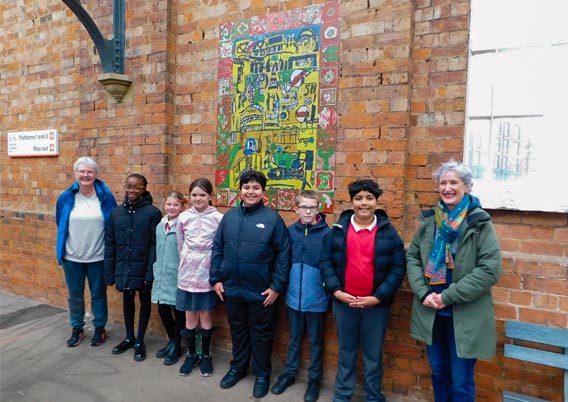
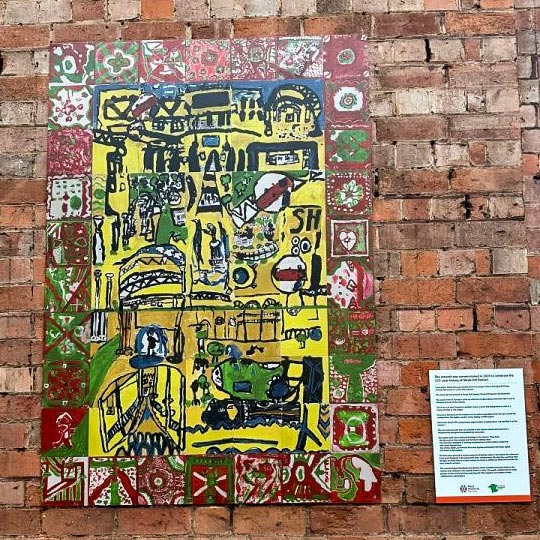
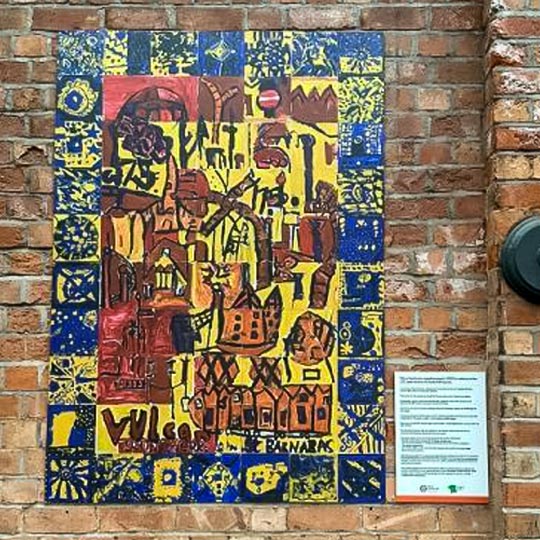
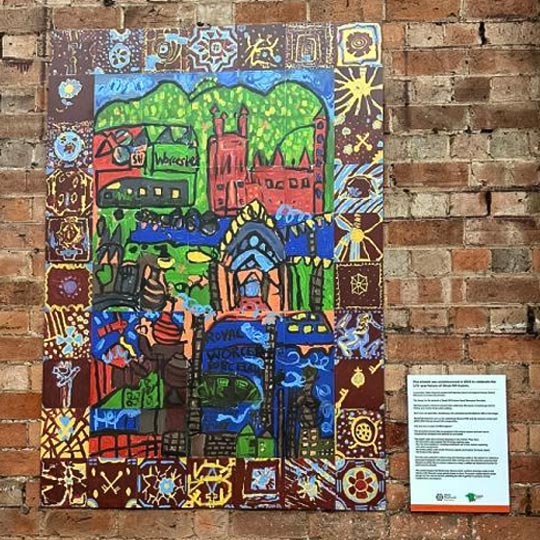
Shrub Hill Station is celebrating its 175th anniversary this year with three new pieces of artwork.
Worcestershire Community Rail Partnership (WCRP) worked in partnership with a local artist, three schools, Platform Rail education scheme and West Midlands Railway to create public art reflecting the station’s importance to the City of Worcester.
Claire Horacek, a Worcester based artist and regular user of the station, was commissioned by WCRP to work with pupils from primary schools to produce three unique pieces of art.
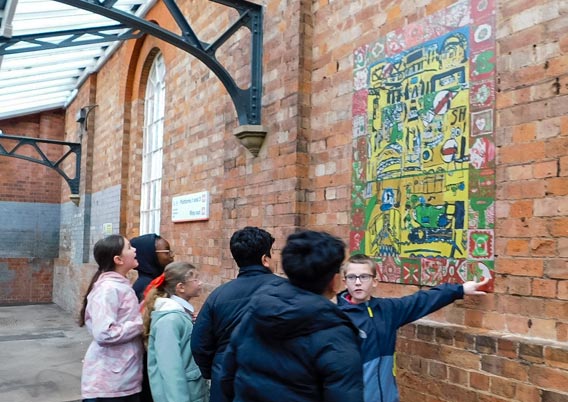
Celebrating three main themes – Royal Worcester Porcelain, the Vulcan Ironworks, and the Shrub Hill Quarter redevelopment – pupils from Martley Primary School, St. Barnabas Primary School and St. George’s Primary School visited the station to make sketches and then each school designed their own piece of artwork.
Tom Painter, who chairs the Worcestershire Community Rail Partnership, said: “It has been truly inspiring to witness the passion these children poured into honoring Shrub Hill station’s legacy. The finished designs have beautifully captured Worcester’s world-class manufacturing history and imaginatively featured bright possibilities for the future.”
Claire Horacek said: “I love the structures of the railway station and the excitement of seeing the trains coming in and out. It was great to share this with the children, and wonderful to see them making excellent observational drawings in the station, painting the tiles, and develop their individual artworks.
“Whenever I visit the station or pass through on a train I’ll be reminded of working with all the brilliant children.”
The designs feature elements of the historic grand waiting rooms at the station which were built between 1857 and 1868 and have been restored in recent years thanks to funding and expertise from the Railway Heritage Trust. The unique buildings feature a combination of cast-iron frames made by Vulcan Iron Works of Worcester and inlaid, patterned ceramic tile panels made by Maw & Co Ltd.
The artworks are placed within the building’s structure and border tiles are painted in each school’s colours, with each one imaginatively designed and painted by each pupil. The pupils made observational drawings at the station which included the decorative majolica tiles outside the Victorian waiting room. The pupils collaborated in small groups on the central sections, painting the tiles together to produce a lively collaborative masterpiece.
West Midlands Railway spokesperson, said: “We are proud to display the schoolchildren’s beautiful artwork in Shrub Hill to mark the station’s birthday. While the project was an opportunity to celebrate the station’s past, it’s also provided a platform for their designs to be a part of Worcester Shrub Hill’s future.”
Platform Rail, Tom Blow, said: “The children from all schools involved were so engaged with their art creation, both through their individual tiles as well as their collaborative efforts as an expression of their engagement and creativity. An absolute pleasure to be a part of this project!”
Worcestershire CRP is committed to connecting communities through sustainable travel and creative local projects.
By working with artists, schools, volunteers, and environmental partners, the CRP not only enhances local stations
but also raises awareness of vital issues like healthy, sustainable travel, biodiversity and conservation.
Initiatives like the Shrub Hill 175 celebratory artwork reflect the CRP’s broader mission to make rail
stations welcoming hubs of community pride, education, and positive environmental action.